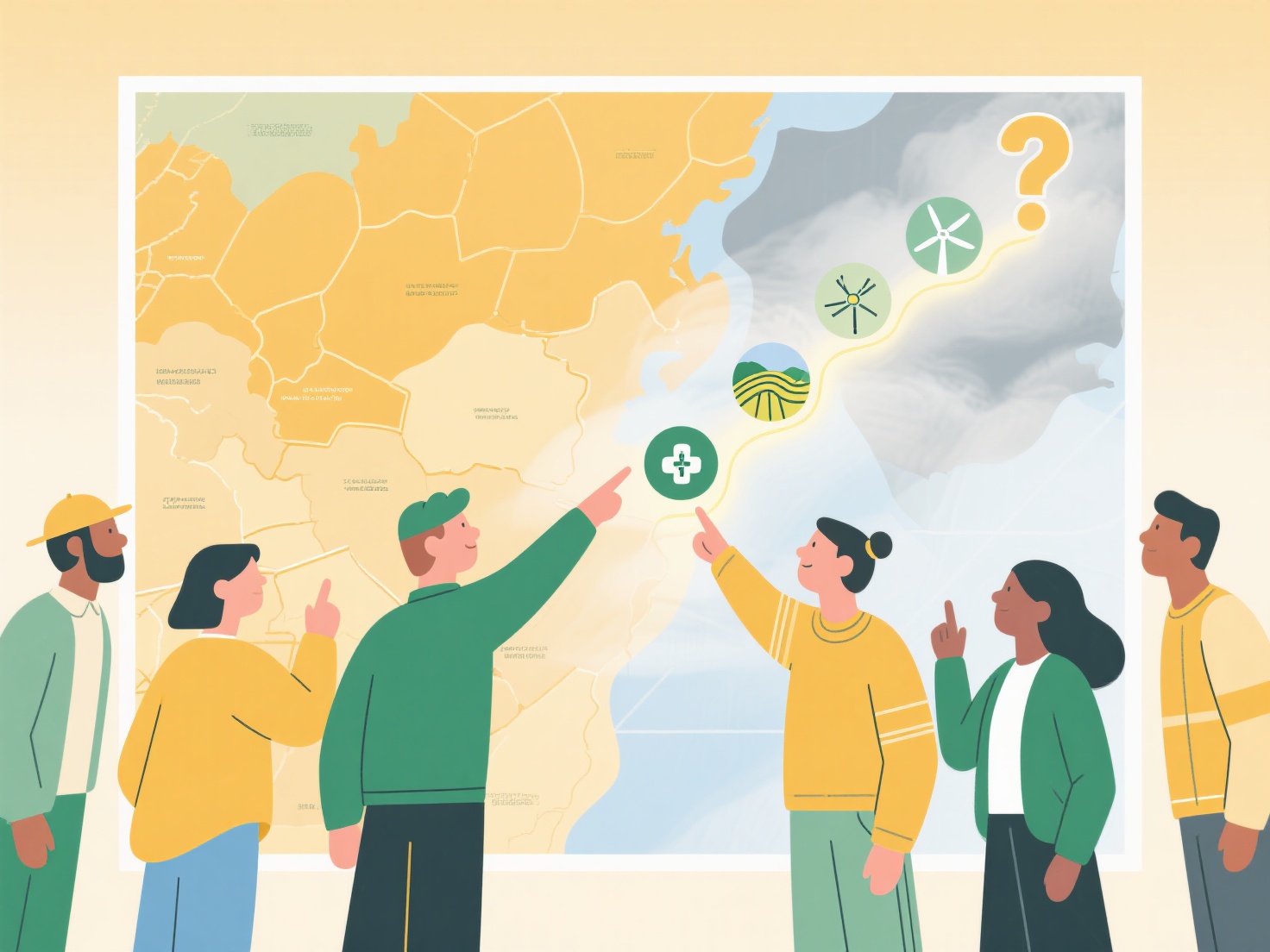
To brainstorm under-researched areas for solving real-world problems, you need to map current societal challenges, review the latest literature to find gaps in existing solutions, and apply interdisciplinary thinking to uncover overlooked angles.
Finding a meaningful research topic can feel overwhelming, but breaking the brainstorming process down into actionable steps makes it much easier to pinpoint areas where your work can make a tangible impact.
1. Start with Global and Local Frameworks
Instead of starting with academic journals, look at the world around you. Review frameworks like the United Nations Sustainable Development Goals (SDGs), reports from the World Health Organization, or industry-specific whitepapers. These documents highlight pressing, unresolved issues—such as renewable energy storage bottlenecks, rural healthcare access, or supply chain vulnerabilities. Pick a broad problem that aligns with your expertise and passions.
2. Hunt for Gaps in the Literature
Once you have a broad problem, you need to figure out what solutions have already been tried. Dive into recent systematic reviews and meta-analyses, paying close attention to the "Limitations" and "Future Work" sections, as these are goldmines for unanswered questions. To speed up this phase, you can use WisPaper's Idea Discovery, an agentic AI that automatically identifies research gaps directly from your literature, helping you bypass the manual work of reading hundreds of conclusions.
3. Explore Interdisciplinary Intersections
Some of the most under-researched areas exist at the borders between two distinct fields. When a problem remains unsolved in one discipline, applying a framework or methodology from another can often lead to a breakthrough. For example, combining behavioral psychology with cybersecurity, or applying machine learning to historical climate data. Ask yourself: What tools from outside my primary field could offer a new perspective on this issue?
4. Talk to Industry Practitioners
Academic literature sometimes lags behind the immediate needs of the real world. To find highly relevant, under-researched topics, speak directly with the people on the ground. Interview industry professionals, policymakers, or NGO workers. Ask them about the daily bottlenecks they face or the tools they wish they had. Practitioners can point you toward practical problems that academics have completely overlooked.
5. Filter for Feasibility and Impact
After generating a list of potential research ideas, evaluate them critically. An area might be under-researched simply because there is no available data, or because the problem is too niche. Filter your brainstorming list by asking:
- Can I access the necessary data or resources to study this?
- Will solving this problem result in actionable changes or policies?
- Is the scope narrow enough to be manageable, but broad enough to matter?
By combining real-world observation with targeted literature analysis, you can confidently identify a research gap that is both academically rigorous and socially valuable.