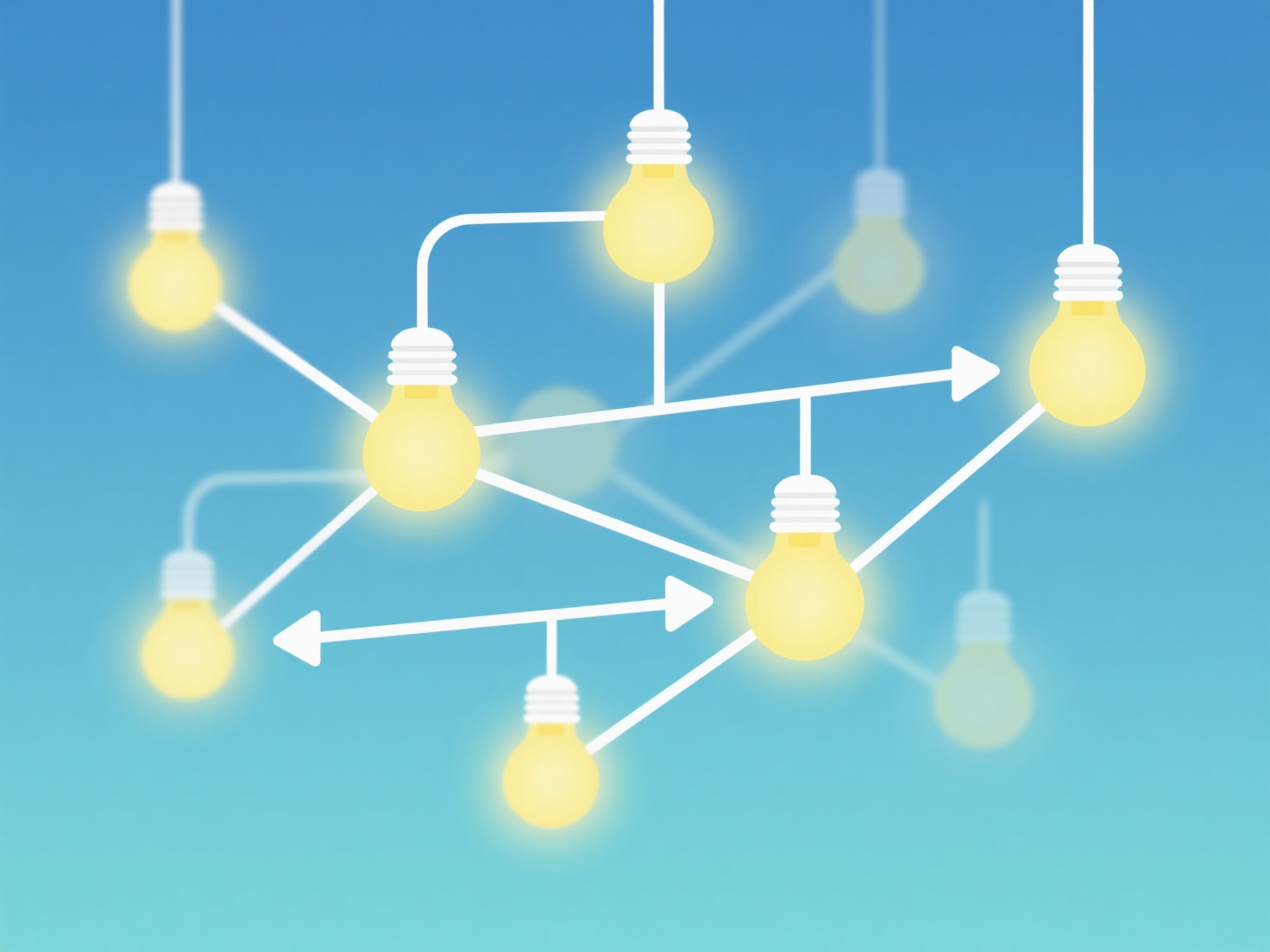
To connect innovative ideas, you must actively synthesize concepts from diverse fields of literature to discover unique intersections and novel research gaps. Breakthrough research rarely comes from a single, isolated thought; it usually happens when you merge existing concepts in a way no one else has considered.
Read Across Disciplines
If you only read papers within your specific sub-field, your ideas will likely mirror what has already been done. To spark innovation, deliberately explore literature outside your immediate niche. Borrowing a methodology from biology and applying it to economics, or using a computer science framework in sociology, often leads to highly original research questions.
Use Visual Concept Mapping
When dealing with complex literature, keeping everything in your head is a recipe for information overload. Create visual mind maps to physically draw lines between different theories, methodologies, and outcomes. By visualizing how a variable from one paper might influence an outcome from another, you can spot unseen relationships and build a cohesive theoretical framework.
Actively Hunt for Research Gaps
Connecting ideas is ultimately about finding what is missing between them. As you review the literature, look for conflicting results, untested assumptions, or methodologies that haven't been combined. If you are struggling to see these missing links, WisPaper's Idea Discovery acts as an agentic AI that analyzes your literature to automatically identify hidden research gaps and generate new research ideas. This allows you to focus on developing the concepts rather than getting bogged down in the synthesis process.
Engage in "Idea Collision"
Don't synthesize in a vacuum. Discuss your preliminary thoughts with peers, mentors, or researchers from different departments. Explaining your concept to someone outside your discipline forces you to simplify the core mechanism, which often reveals logical flaws or highlights exciting new connections you hadn't considered.
Keep a Centralized Idea Bank
Inspiration often strikes when you aren't actively working on your manuscript. Maintain a dedicated digital notebook or reference manager to log passing thoughts, interesting methodologies, and potential connections as you read. Reviewing this bank periodically helps you merge older, fragmented thoughts into a single, comprehensive research proposal.