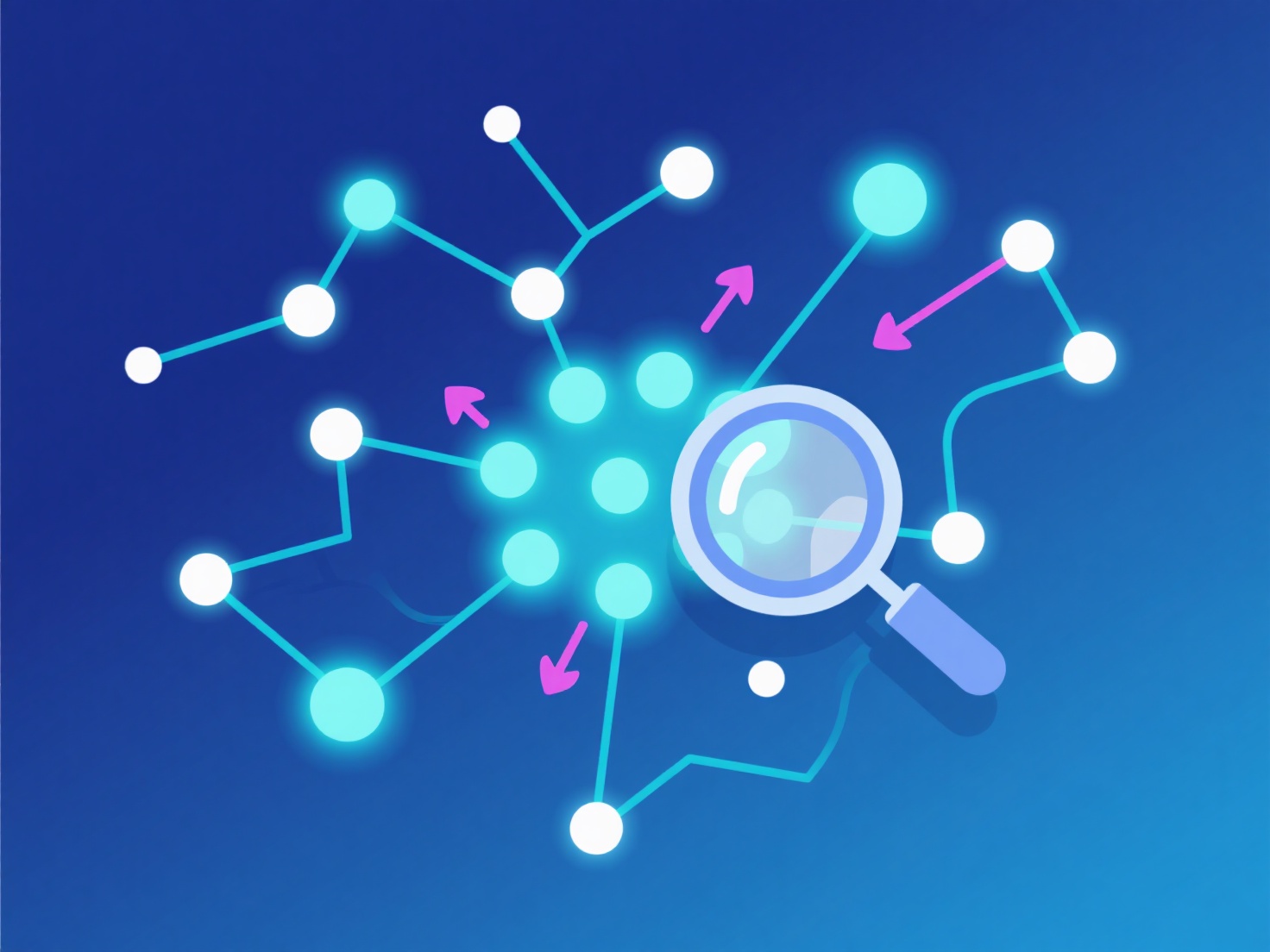
Exploring data for future research involves systematically reviewing existing literature, identifying knowledge gaps, and analyzing open datasets to uncover new patterns and unanswered questions.
By taking a strategic approach to data exploration, you can ensure your next project is both original and impactful. Here is a step-by-step guide to finding and exploring data for your future research.
1. Map the Existing Literature
Before diving into raw numbers, you need to understand what data has already been analyzed. Start by reading the "Future Work" or "Limitations" sections of recent papers in your field, as authors often explicitly state what they left unexplored. If you are struggling to pinpoint these opportunities, WisPaper's Idea Discovery feature acts as an agentic AI that automatically identifies research gaps directly from your gathered literature. Mapping what is already known prevents you from duplicating efforts and highlights exactly where new data analysis is needed.
2. Utilize Open-Source Data Repositories
You do not always need to collect primary data to start a new project. Countless secondary datasets are freely available online and waiting to be analyzed. Platforms like Google Dataset Search, Kaggle, GitHub, and government portals (such as Data.gov or the World Bank) host massive amounts of raw information. Search these repositories using keywords related to your academic field, and look for datasets that are either newly published or seem underutilized.
3. Look for Anomalies and Edge Cases
When exploring existing datasets, pay close attention to outliers. Often, researchers clean their data to fit a specific model, discarding anomalies that do not align with their primary hypothesis. However, these edge cases can be the perfect foundation for future research. Re-examine public datasets to see if those discarded outliers actually represent a hidden trend, a shift in demographics, or a completely new phenomenon worth investigating.
4. Apply Interdisciplinary Perspectives
Some of the most groundbreaking research ideas come from applying one discipline's analytical methods to another discipline's data. For example, you might use machine learning algorithms to analyze historical texts, or apply behavioral economic models to public health data. Exploring datasets outside your immediate field can reveal unique angles and innovative methodologies for your next paper.
5. Replicate and Scale Past Experiments
A highly effective way to explore data is to attempt to replicate a previous study using a newer, larger, or more diverse dataset. If a foundational study was conducted a decade ago on a narrow demographic, applying the same methodology to recent, large-scale global data can validate the original findings or highlight how variables have evolved over time.