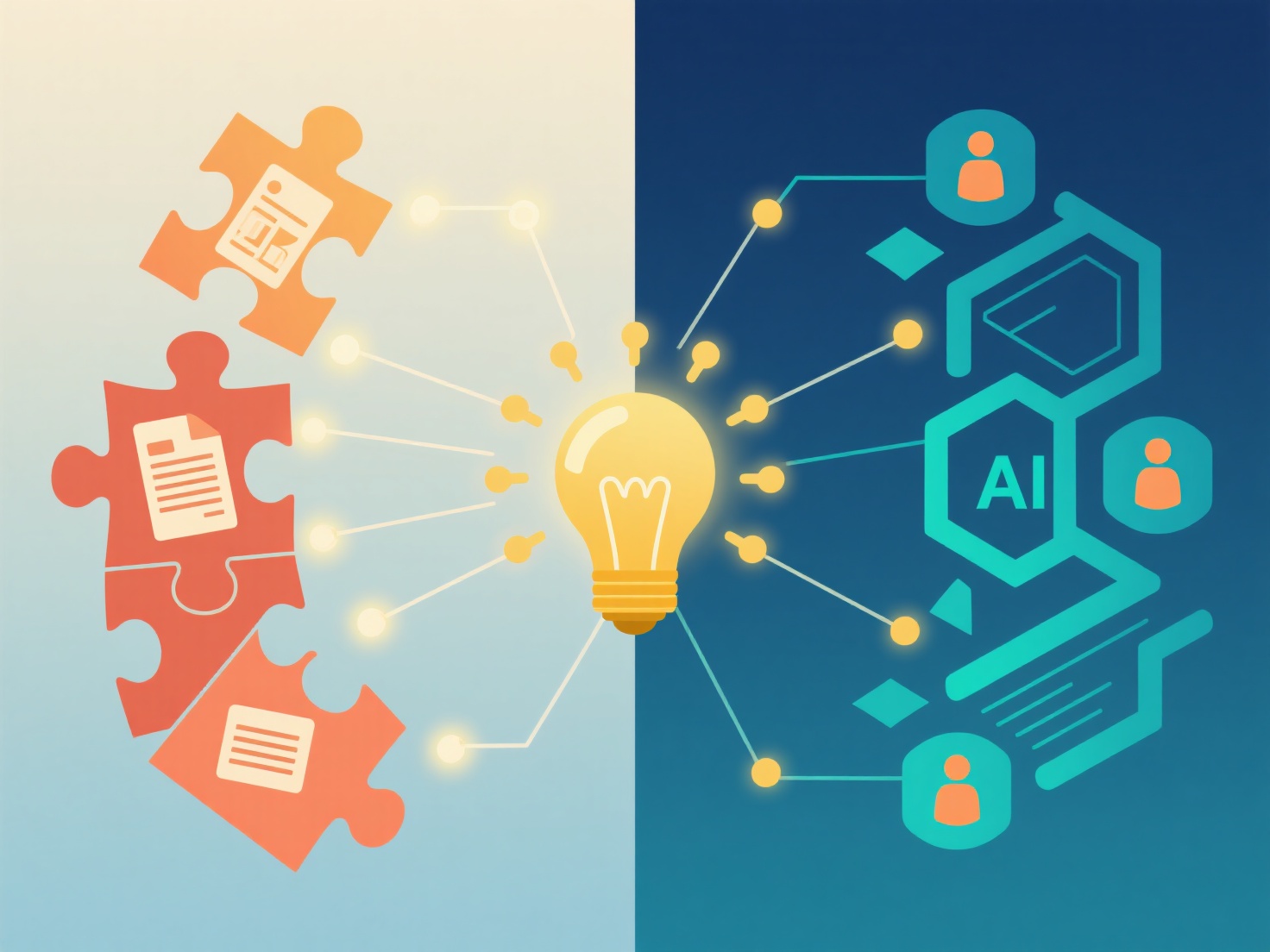
To formulate research insights using AI tools, you must systematically feed the AI high-quality literature and prompt it to identify patterns, synthesize key findings, and uncover hidden research gaps.
AI has transformed the literature review process from a tedious reading marathon into an interactive analytical task. By leveraging AI to process large volumes of academic papers, you can move past basic summaries and start generating high-level insights that drive your research forward. Here is a practical workflow to help you extract meaningful insights from your sources.
1. Curate and Organize Your Source Material
AI outputs are only as good as the data you provide. Start by gathering high-quality, peer-reviewed papers relevant to your specific research question. Instead of asking a general, open-ended chatbot to "give me insights," upload your carefully selected PDFs to a dedicated academic AI tool. This grounds the AI's analysis in verified literature and prevents it from hallucinating fake data or irrelevant studies.
2. Synthesize Findings Across Multiple Papers
Once your literature is organized, prompt the AI to compare and contrast the methodologies, results, and limitations of the studies. Use specific, targeted prompts such as, "Summarize the conflicting viewpoints on [Topic] across these five papers," or "What are the shared limitations of the experimental designs in these studies?" This thematic analysis helps you quickly spot trends and overarching narratives that might otherwise take weeks to map out manually.
3. Pinpoint Contradictions and Research Gaps
The most valuable research insights usually come from identifying what is missing, outdated, or contested in the current literature. You can prompt your AI tool to look for conflicting results between studies or to extract unanswered questions from the authors' conclusion sections. To streamline this process, WisPaper's Idea Discovery feature uses agentic AI to automatically analyze your curated literature and identify unaddressed research gaps, giving you a massive head start on formulating novel ideas.
4. Validate and Refine Your Insights
While AI tools are excellent brainstorming partners, you must remain the lead investigator. Always verify the insights the AI generates by tracing them back to the original source texts to ensure context wasn't lost in translation. Refine the AI-generated concepts by applying your own domain expertise. Ask yourself: Is this gap actually significant to the field? Do I have the resources to answer this new question? By treating AI as a collaborative assistant rather than an oracle, you can confidently formulate robust, defensible research insights.