
Beyond Points and Badges: Is the Gamification of Consumer Decisions Reaching a New Level?
Decision Support Systems
This paper presents a systematic review of 257 academic articles to analyze the impact of gamification on online consumer decisions. It identifies that 82.8% of empirical studies confirm gamification significantly boosts consumer engagement and purchase intentions through core mechanics like rewards and challenges.
TL;DR
Is the "game" of marketing over, or just beginning? This comprehensive systematic review analyzes nearly a decade of research to prove that gamification is no longer a gimmick—it is a fundamental driver of online consumer behavior. By leveraging psychological needs through mechanics like rewards, social comparison, and interactive challenges, brands are transforming mundane transactions into engaging leisure activities.
Academic Positioning: This work serves as a high-level meta-synthesis, bridging the gap between computer science's "how-to" and psychology's "why" regarding digital consumer engagement.
The Problem: The "Pointsification" Trap
For years, marketers viewed gamification as a simple equation: Action + Point = Loyalty. However, the authors argue that this "reward-based" approach is often short-lived. Once the rewards stop, the behavior disappears. The real challenge in modern e-commerce is creating "meaningful gamification"—systems that consumers want to interact with because they provide a sense of competence or social connection, not just a 5% discount.
Methodology: Mapping the Intellectual Landscape
The researchers didn't just read papers; they mapped the entire "DNA" of the field using SciMAT. They identified core "motor themes" like Video Games and Intelligent Tutoring, while highlighting emerging areas like Psychological Need Satisfaction.
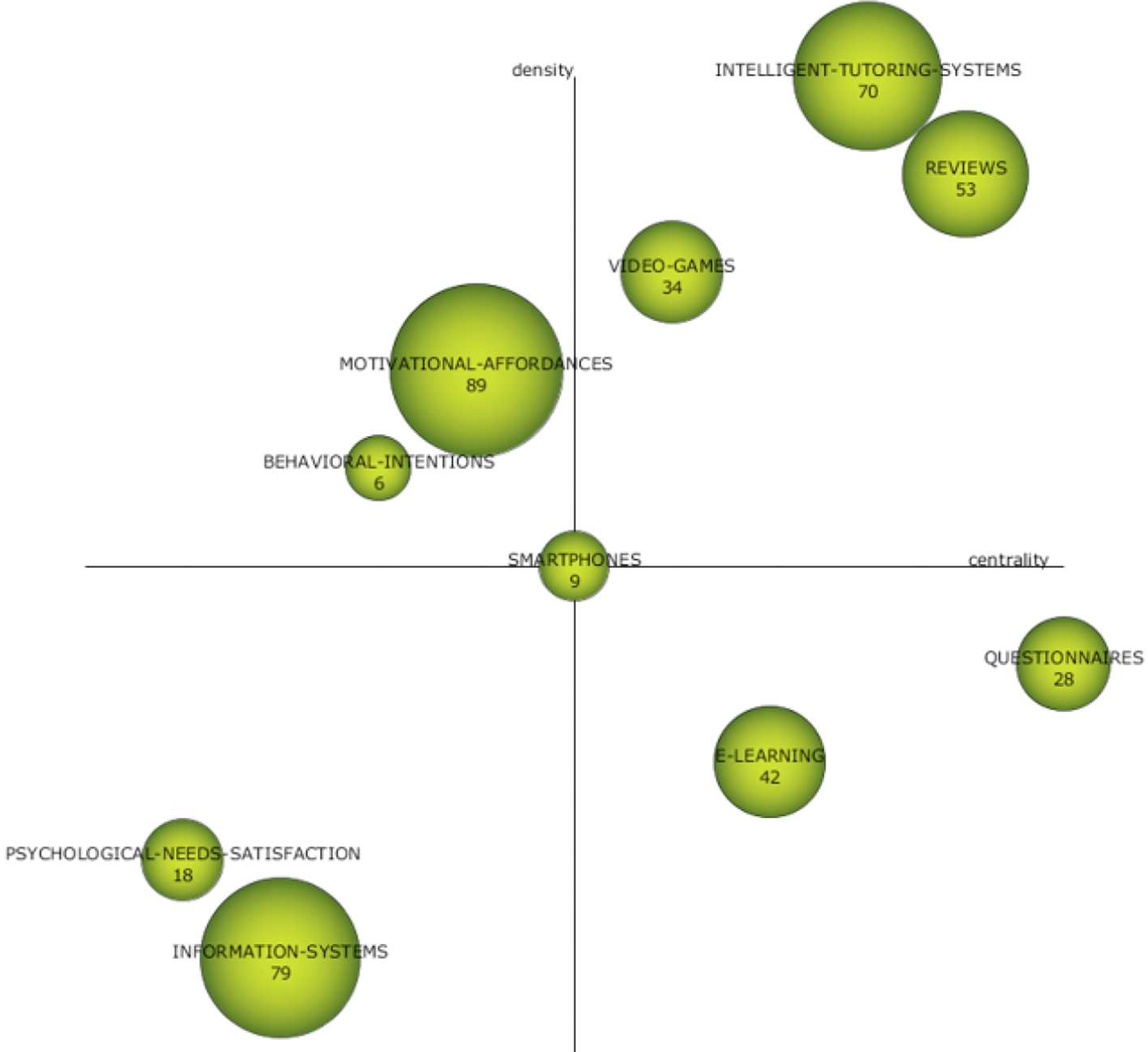 Figure 1: The SciMAT strategic diagram shows that while video games are a central motivator, the psychological depth of "Information Systems" remains an underdeveloped frontier.
Methodology Detail: Why it Works (Theoretical Frameworks)
The paper identifies two titan theories that explain why we click "level up" on a shopping app:
- Self-Determination Theory (SDT): We have innate needs for Autonomy (control), Competence (mastery), and Relatedness (connection). Gamification that hits these targets creates intrinsic motivation.
- Technology Acceptance Model (TAM): A gamified system must be "perceived as useful" and "easy to use." If the game is too hard to navigate, the consumer quits.
Key Results: The Evidence is In
The systematic review of 36 empirical papers provides a "scorecard" for gamification:
- Success Rate: 82.8% of studies show a direct positive impact on consumer engagement or purchase.
- The "PBL" Triad: Points, Badges, and Leaderboards remain the most tested elements, but "interactivity" and "aesthetics" are rising as key success factors for Millennials and Gen X.
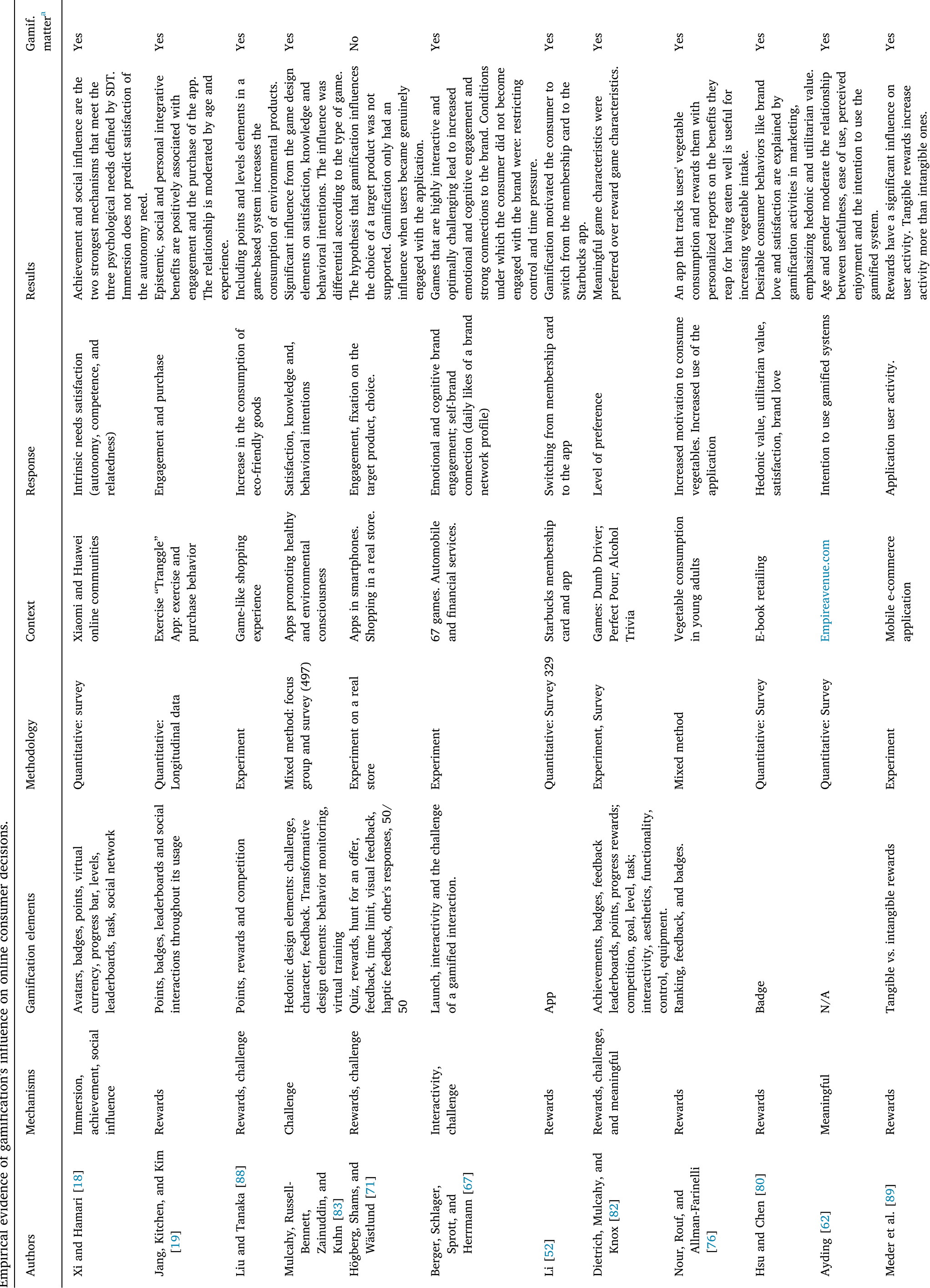 Table 4: A snapshot of empirical evidence showing how brands like Starbucks and Airbnb use "Superhost" badges and progress bars to drive real economic value.
Critical Insight: The "Relative" Effect
While gamification mostly works, the authors warn of "Relative" influence. For example, some studies found that gamification only works if the user reaches a "Flow" state—where the challenge perfectly matches their skill. If a task is too easy, it’s boring; if it's too hard, it’s frustrating.
Conclusion & Future Outlook
The "Game" is definitely not over. However, the next level of gamification will require:
- Long-term Longitudinal Studies: Do consumers stay loyal after the "New Game" smell wears off?
- Psychological Profiling: "Killers" want to beat the leaderboard; "Socializers" want to share rewards. One-size-fits-all gamification is a relic of the past.
- Experimental Vehicles: Using gamified apps as "living labs" to test new products before they even hit the physical shelves.
Final Takeaway: To win in the 2026 digital economy, stop building loyalty programs and start building experiences that satisfy the human need for achievement.