
[Aging Cell] Heterochronic Parabiosis: Chasing the Fountain of Youth in the Shared Circulatory System
Heterochronic parabiosis: historical perspective and methodological considerations for studies of aging and longevity
This review details the history and methodology of heterochronic parabiosis, a technique where two animals of different ages are surgically joined to share a circulatory system. The paper highlights its role in discovering systemic regulators that can rejuvenate aged stem cells and tissues, reaching SOTA understanding in regenerative biology.
TL;DR
Heterochronic parabiosis—the surgical joining of a young and an old organism—is no longer a "mad science" trope but a rigorous physiological tool. This paper provides a definitive historical and methodological roadmap for how shared circulation can rejuvenate aged stem cells. By shifting the focus from individual cells to the systemic milieu, researchers have proven that the "clock" of aging can, in many ways, be turned back by youthful blood.
The Motivation: Nature vs. Nurture in Cellular Aging
Why do our tissues stop repairing themselves as we age? Is it because the stem cells are "broken" (intrinsic decay), or is it because the environment they live in has become "toxic" or "depleted" (extrinsic factors)?
For decades, the field lacked a robust way to isolate these variables in a living system. The authors argue that heterochronic parabiosis provides the ultimate "in vivo" assay. By exposing an old organ to a young systemic environment, we can see if the decline in regenerative potential is a permanent sentence or a manageable state.
Methodology: Engineering a Shared Life
The core methodology involves a precise surgical connection of two inbred (to prevent immune rejection) mice. Unlike a simple organ transplant, this is a "graft by approach."
- Tissue Apposition: Skin is removed along the flanks, and the animals are joined via the elbow and knee joints to ensure stability.
- Vascular Anastomosis: Over 1-2 weeks, the animals naturally develop shared microvasculature.
- The Result: A chimeric state where hormones, cytokines, and even circulating cells flow freely between the young and old partner.
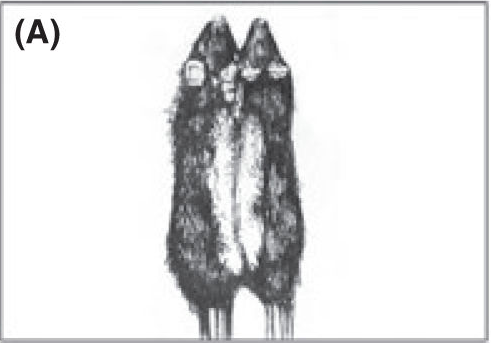 Figure 1: Illustration of the surgical connection points and the physical union of the parabiionts.
The "Parabiotic Disease" Caveat
A critical technical hurdle discussed is parabiotic intoxication (resembling Graft-vs-Host disease). Interestingly, the authors note that in heterochronic pairs, it is often the younger partner that suffers anemia, suggesting a complex immunological or hemodynamic imbalance that must be carefully managed through surgical precision.
Key Insights: Rejuvenation vs. Dedifferentiation
The most profound discovery highlighted in this review is that the "younging" effect isn't just a dilution of old blood. It involves epigenetic reprogramming.
- Stem Cell Flux: Aged muscle and neural stem cells, when exposed to young blood, regain the ability to divide and repair tissue efficiently.
- No Loss of Identity: Crucially, this is rejuvenation, not dedifferentiation. The cells don't turn into stem cells of a different type; they simply become "better versions" of their current selves.
- Systemic Factors: Factors in the Wnt and TGF-β signaling pathways were identified as key messengers that transmit the "age" signal through the blood.
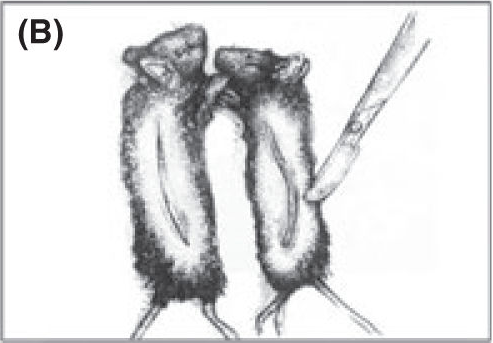 Figure 2: Methodological considerations for monitoring the shared circulatory state.
Critical Analysis & Future Outlook
The authors move the conversation from "Does it work?" to "How do we scale it?". While we cannot (and should not) surgically join humans of different ages, heterochronic parabiosis serves as a discovery engine.
Limitations:
- The "Old Blood" Effect: While young blood rejuvenates, old blood also significantly "ages" the young partner, suggesting that aging is not just a lack of "good things" but an accumulation of "bad things" (pro-aging factors).
- Ethics and Complexity: The high mortality rate (historically) and the surgical complexity make this a niche tool for specialized laboratories.
The Takeaway:
Heterochronic parabiosis indicates that the epigenetic memory of aging is malleable. If we can identify the specific protein "cocktail" that circulates in young blood, we can develop pharmacological interventions that offer the benefits of parabiosis—rejuvenating the heart, brain, and muscles—without the surgery.
Conclusion: This work reaffirms that aging is a systemic communication problem, and the "fountain of youth" may well be a set of circulating molecules waiting to be decoded.