
Beyond Peer Review: How Popular Science Microblogs Achieve Value Co-Creation
高参与度科普类微博知识内容价值共创研究_崔竞烽
This study investigates the value co-creation process within high-engagement popular science Microblogs (e.g., Weibo). It proposes a feature description framework to analyze how specific content expressions and blogger-user interactions, such as answering queries and refuting opinions, drive user participation and knowledge contribution.
TL;DR
This study dissects the "high-engagement" secret of popular science influencers on Microblogging platforms. By analyzing content features and interaction patterns, the researchers demonstrate how bloggers and users move beyond simple likes to reach Value Co-creation—a state where user feedback and blogger responses collectively generate new, refined knowledge.
The Engagement Gap in Digital Knowledge Services
In the era of information overload, libraries and educational institutions struggle to maintain visibility. While scientific knowledge is abundant, the "delivery" mechanism is often dry and unidirectional. Prior work suggests that simply posting "High-quality" content isn't enough; the missing link is the Social-Cognitive interaction that encourages users to transition from passive consumers to active knowledge contributors.
Methodology: Decoding the Popular Science "Secret Sauce"
The research team established a feature description framework categorized into:
- Content Expression: Analyzing word counts (Brevity vs. Fullness), media types (Image, Video, GIF), and emotional tone.
- Interaction Mechanisms: Identifying six key behaviors, including "Refuting Errors," "Answering Questions," and "Supplementing Information."
 Figure 1: Conceptual model of user engagement and interaction dynamics in Microblogs.
Key Insights: Why "博物杂志" (Natural History Magazine) Succeeds
The empirical analysis of over 1,800 posts revealed striking patterns that contrast with traditional academic dissemination:
1. The Power of "Condensed" Content
Approximately 75.95% of high-engagement posts relied on condensed expression. In the fast-paced environment of social media, "Short and Sharp" beats "Long and Comprehensive." However, this brevity is often supplemented by rich visual media to lower the cognitive barrier.
2. Emotional Resonance and Personality
Over 50% of successful posts contained strong emotional markers (curiosity, humor, or authority). By humanizing the "Expert" persona, bloggers reduce the psychological distance between the source and the audience.
3. Interaction as Value Creation
Knowledge is not static. The study found that:
- Refutation/Correction: When a blogger corrects a user's misconception, it creates a high-visibility learning moment.
- Q&A Loops: Addressing specific user inquiries turns a single post into a collaborative knowledge-building thread.
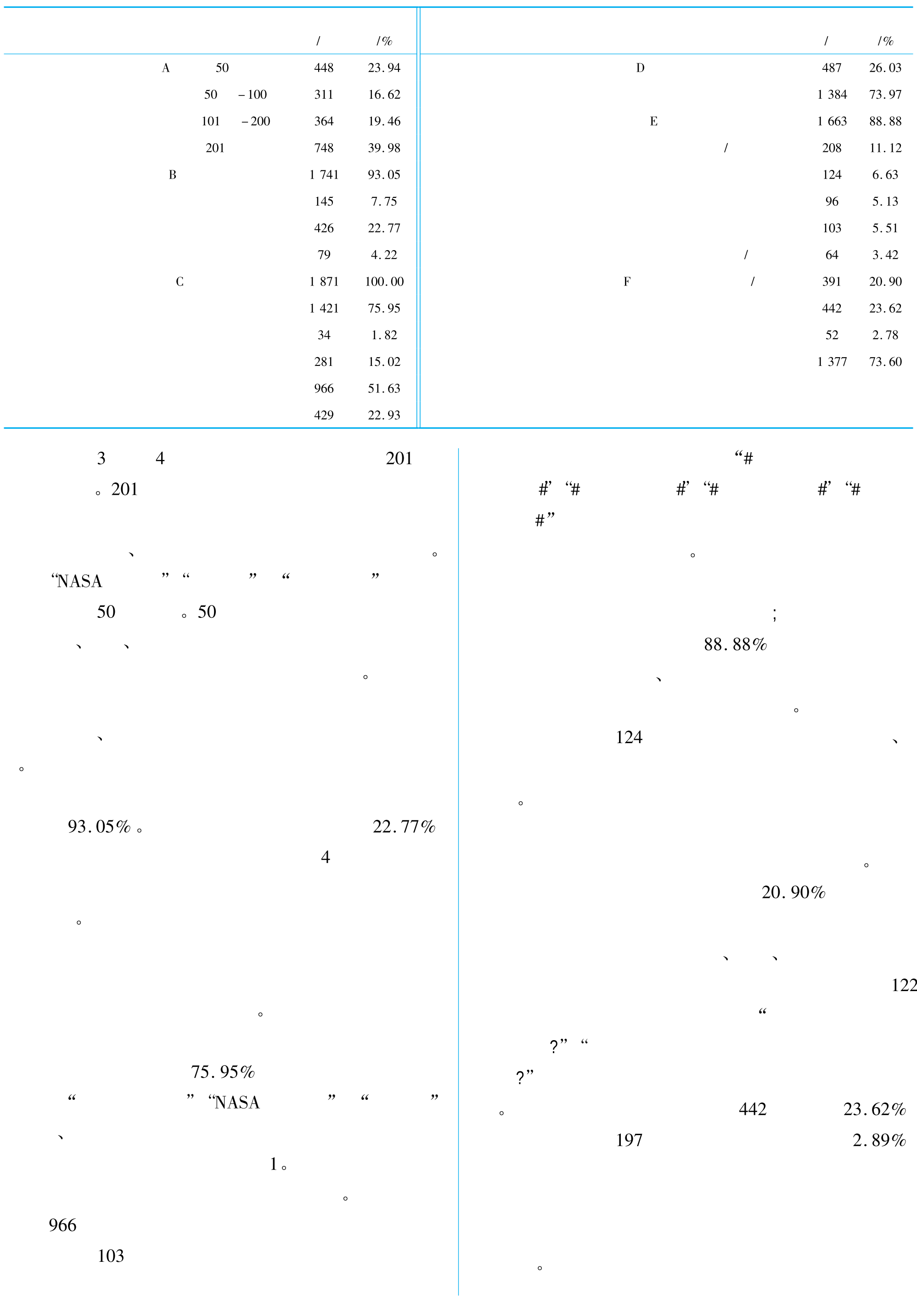 Table 1: Statistical breakdown of content features and their correlation with engagement levels.
Conclusion and Future Outlook
The study concludes that the future of knowledge services lies in Service Logic. For libraries and scientific communicators, the takeaway is clear:
- Stop Broadcasting, Start Conversing: Use the "Refutation" and "Answering" mechanisms to build trust.
- Visual-First Strategy: Diversify media types to cater to different user consumption habits.
- Develop Opinion Leaders: Organizations need "faces" or "voices" that can act as nodes in the social network, rather than faceless institutional accounts.
Limitations: The study focuses primarily on the Weibo ecosystem. Future research should examine how algorithmic recommendation engines (like those on TikTok/Douyin) alter the value co-creation process compared to follower-based social networks.